This past week, I attended the WIPO Inventor Assistance Program (IAP) Summit at the sparkling headquarters of the World Intellectual Property Organization – WIPO in Geneva as a member of the Kenya IAP team (along with my teammates Concilia Were and Marvel Oloo), and I now have a much deeper appreciation as to the role that the IAP serves. As Colombian inventor, Leidy Cuestas Buitrago, taught us, we all need to find our purpose in life; and "we can all take what we know to change the world." For her, that means providing her patented equipment for improving the lives of those who suffer from cerebral palsy, which is now attracting interest from around the world.
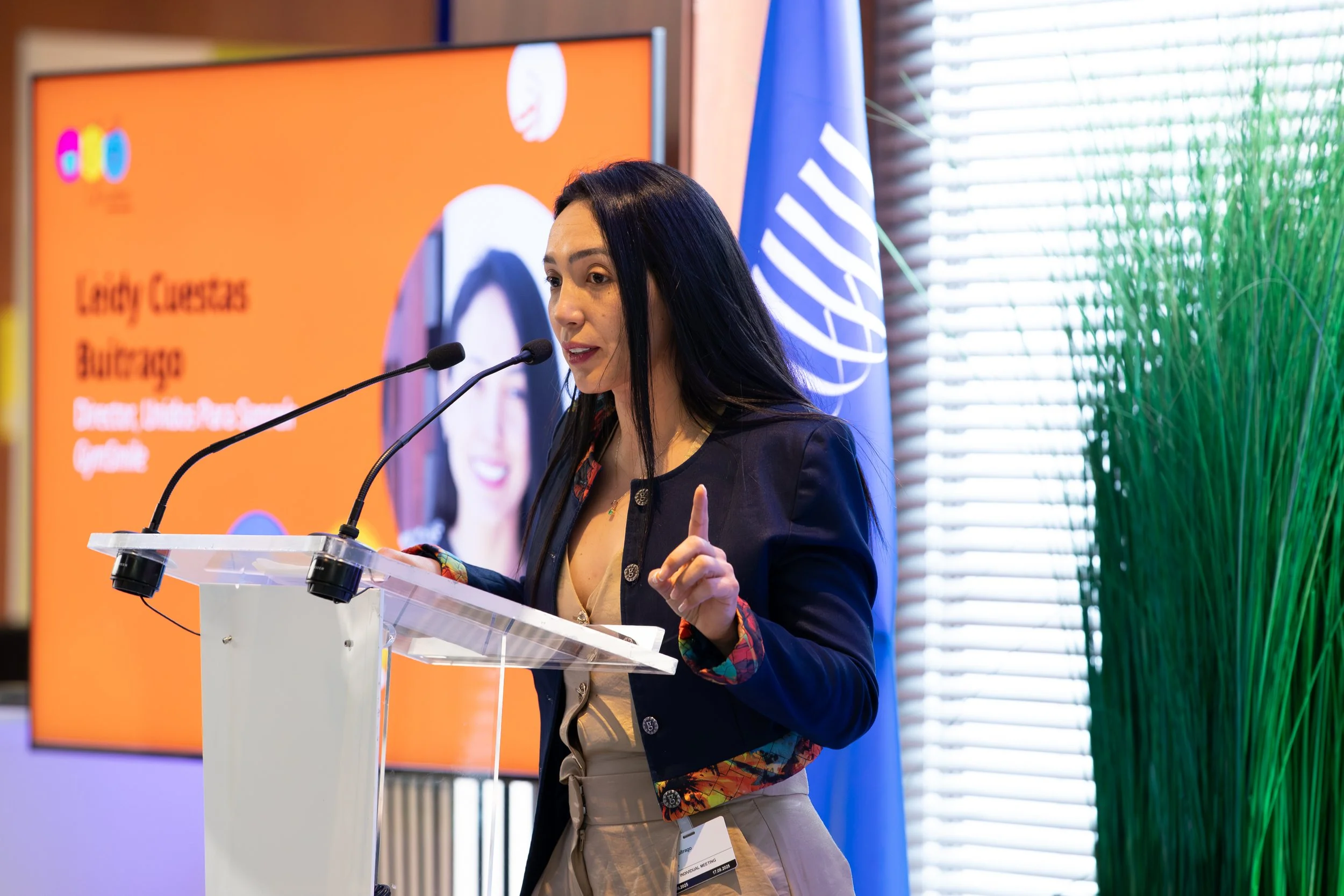
Inventor Leidy Cuestas Buitrago (WIPO photo)
Though he preceded my involvement with the program, we also met Richard Turere, a young member of the Masai tribe from Kenya. He told us how he coopted electronic components from his family's radio and the battery from his father's car, he became the tech guru for his community while still a child and sought a solution to stop the lions from devouring his community's cows without harming the lions. Through continuous experimentation, he finally discovered solution at the age of 11, using a sensor system and programmed light patterns that mimicked his nighttime patrolling with a flashlight, which scared off the lions. His invention preserved his community's livelihood while also driving an increase in the wild lion population. His "Lion Lights" are now installed in over 14,000 homesteads across Kenya, and lion killings are significantly reduced.
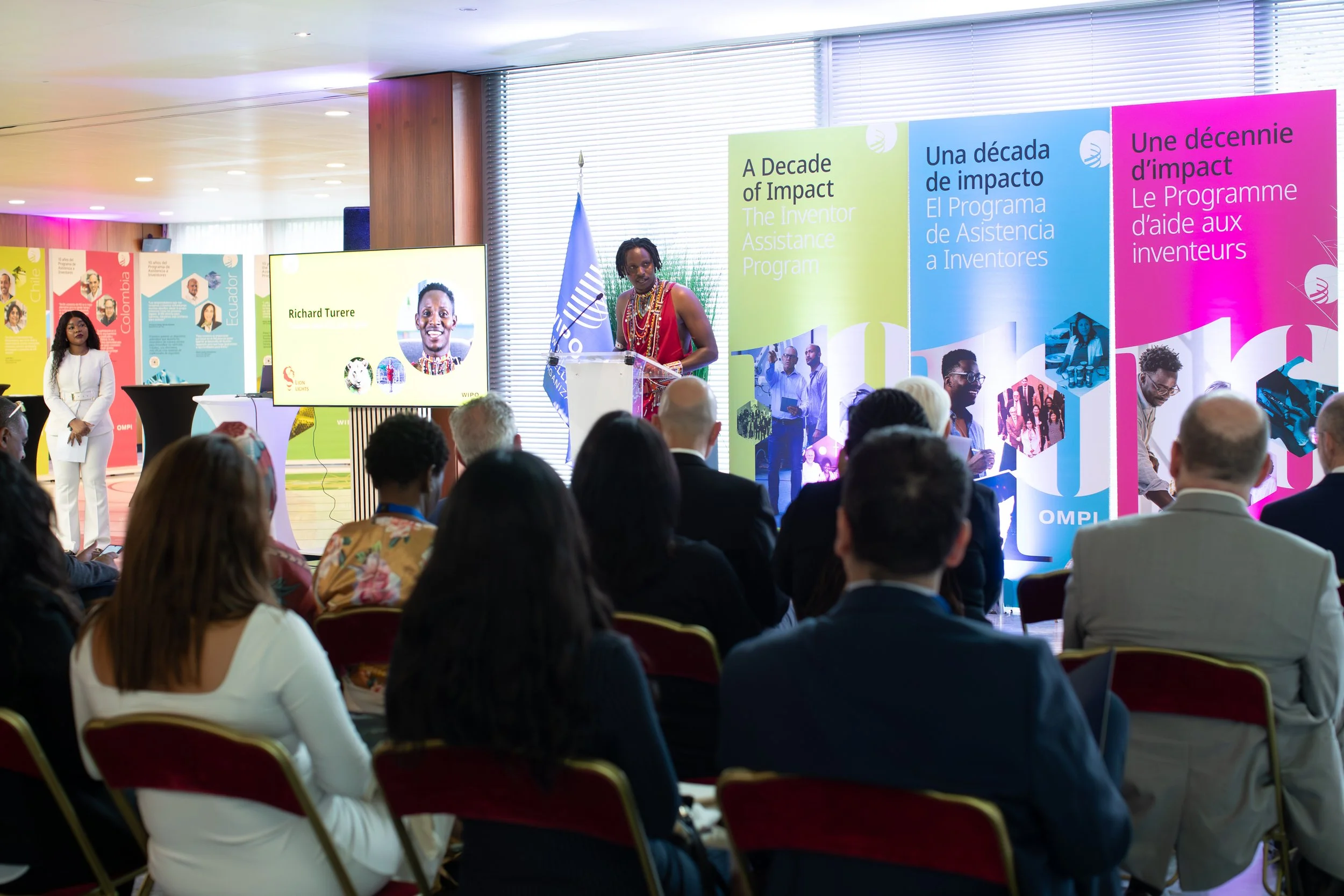
Inventor Richard Turere (WIPO photo)
We met many other equally talented inventors from other developing countries--look for more success stories on the IAP website.
Per Assistant Director General Marco M. Alemán, inventors in developing countries are not getting the same benefits from the patent system as those from developed countries. Innovation is global, but inventors in developing countries are less likely to seek protection, which limits their access to capital and hinders their ability to share the benefits of their inventions with the world.
The concept of an Inventor Assistance Program (IAP) at the national level germinated from discussions between USPTO Director David Kappos, Corey Salsberg, and James Patterson and succeeded through their collective commitment. Each of them attended the Summit and shared their learned insights and wisdom.
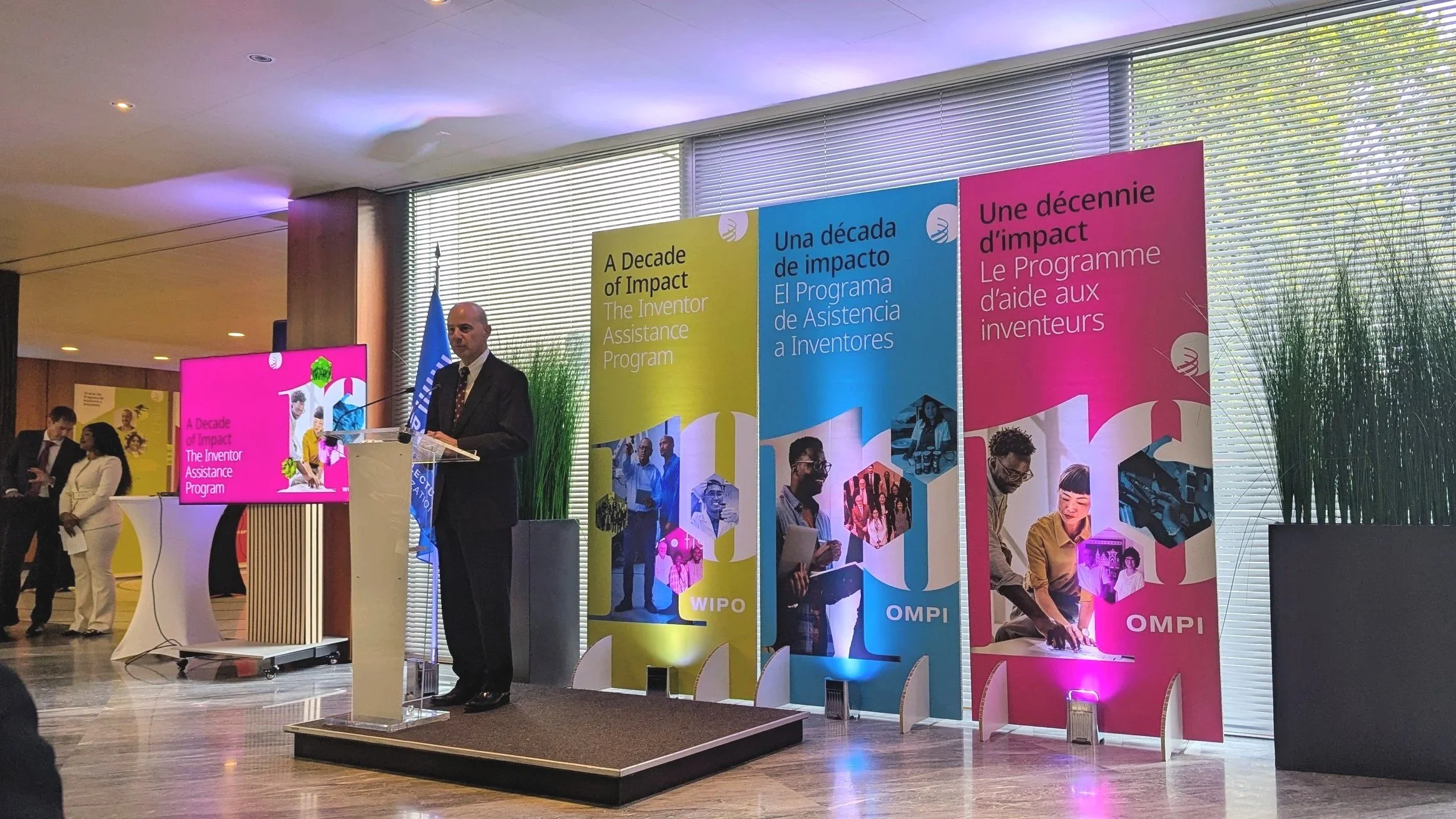
Former USPTO Director David Kappos (R Sayre photo)
How the program migrated from the USPTO to WIPO is an interesting story. US practioners of my era will remember when David Kappos successfully intiated the Inventor Assistance Program while serving as USPTO Director as one of many impactful initiatives. What I didn't know was that he didn't simply drop his commitments when he left government at the end of President Barack Obama's first term. As an influential voice at the World Economic Forum, Director Kappos delivered the concept of a global inventor assistance program there, and upon taking root, the program was transfered to it's natural home at WIPO. As with many other WIPO training and assistance programs, the ongoing contributions from the Japan Funds In Trust (through which Japan has long funded global development) has also provided necessary support for its success.
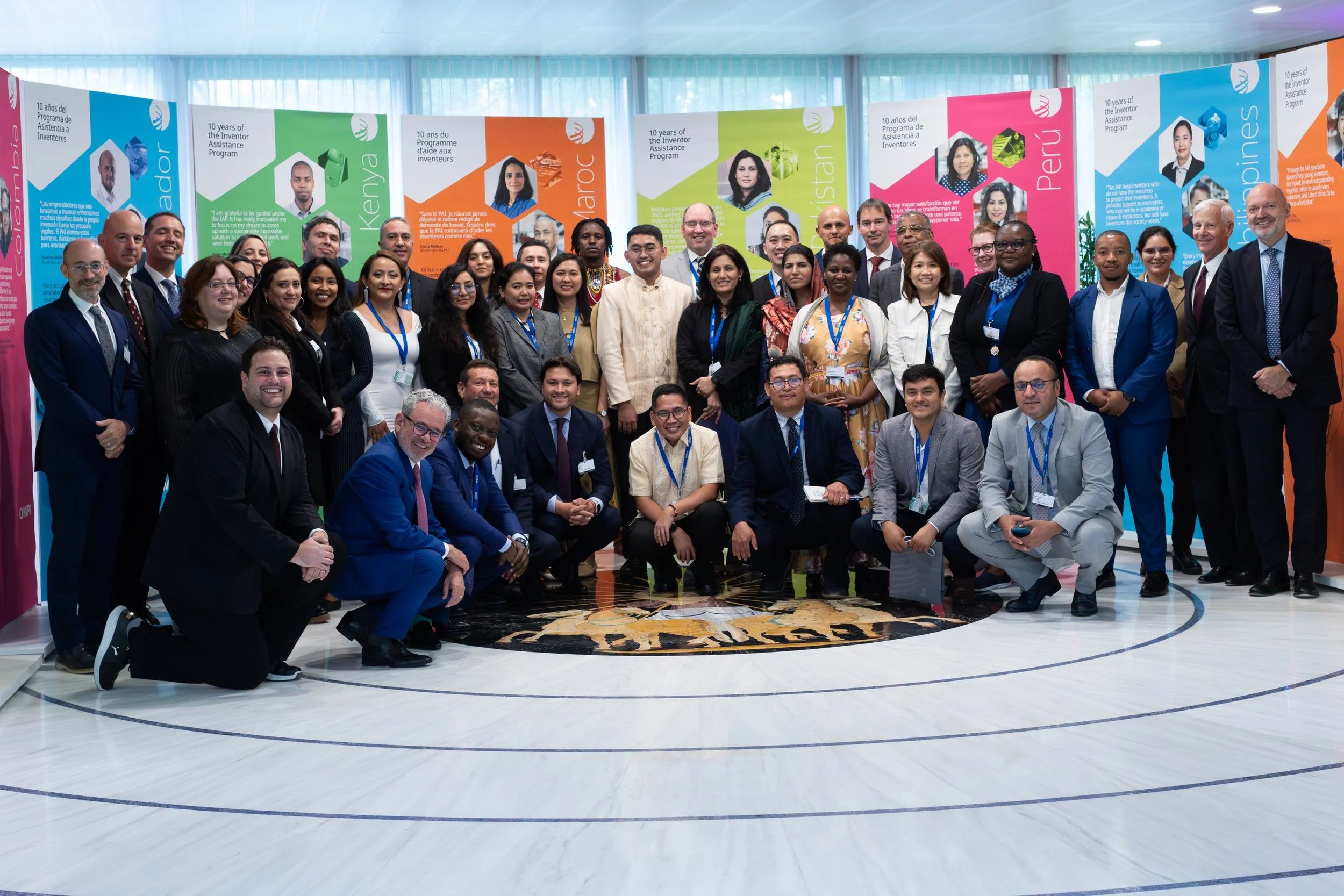
WIPO photo of IAP Summit participants
The WIPO IAP Summit provided a wealth of inspiration and insight to nurture the continued growth and impact of this program across the globe. As Marco Aleman recounted, WIPO first planted the program in Colombia, and due to the commitment of Colombian volunteers, it flourished, and they now shared what they had learned with the rest of us so that we could try to replicate their success.
Fresh from that success, WIPO took that seed from Colombia and planted it in Morocco, unsure as to how it would fare in the soil of another continent. Perhaps with a bit of surprise, it likewise flourished there as well, and I enjoyed engaging with the delightful Moroccan team, particularly as they indulged my stumbling efforts to converse en française, though we were treated throughout the week with effortless cross-lingual communication thanks to the six extraordinarily talented translators who instantaneously conveyed everyone with all of the content in their language of choice via earpieces.
We learned how Colombia and other countries succeeded and scaled their programs--under the support and guidance of Allison Mages and Evgeniy Sesitsky at WIPO; and I also welcomed learning from Néstor Bejarano, who has been successfully mentoring Colombian attorneys and inventors for far longer than I have been involved and from whom I can learn a lot.
As David Kappos (who continues to lend his considerable influence to the program) told us, his goal was to see that "no inventor gets left behind." Intangible assets now dominate the valuation basis of tech companies, but, as WIPO economist Intan M. Hamdan-Livramento explained to us, patent office fees require an oft-feasible 1.7% of the average yearly income in high-income countries; but they require an oppressive 52.8% of the average yearly income in low-income countries, so more assistance is needed.
Patents are just one (albeit important) early step in creating a successful commercial enterprise; and more assistance is coming from WIPO in the form of expanded commercialization services--for example, see WIPO's new Scale Up Your IP online program, which I shared in my earlier post.
The WIPO IAP program is currently operating in Chile, Colombia, Ecuador, Kenya, Morocco, Pakistan, Peru, the Philippines, Singapore, and South Africa. If you are in one of these countries, find out how you can help or participate via your national IP Office or via the information provide on the WIPO IAP website. I know not which country may be next, but the program clearly has strong momentum for further growth.
As all IP practitioners know, WIPO provides a wealth of great services that benefit society. The Inventor Assistance Program is a particularly inspring one that allows these courageous inventors who might not otherwise have a chance "to change the world with what they know."
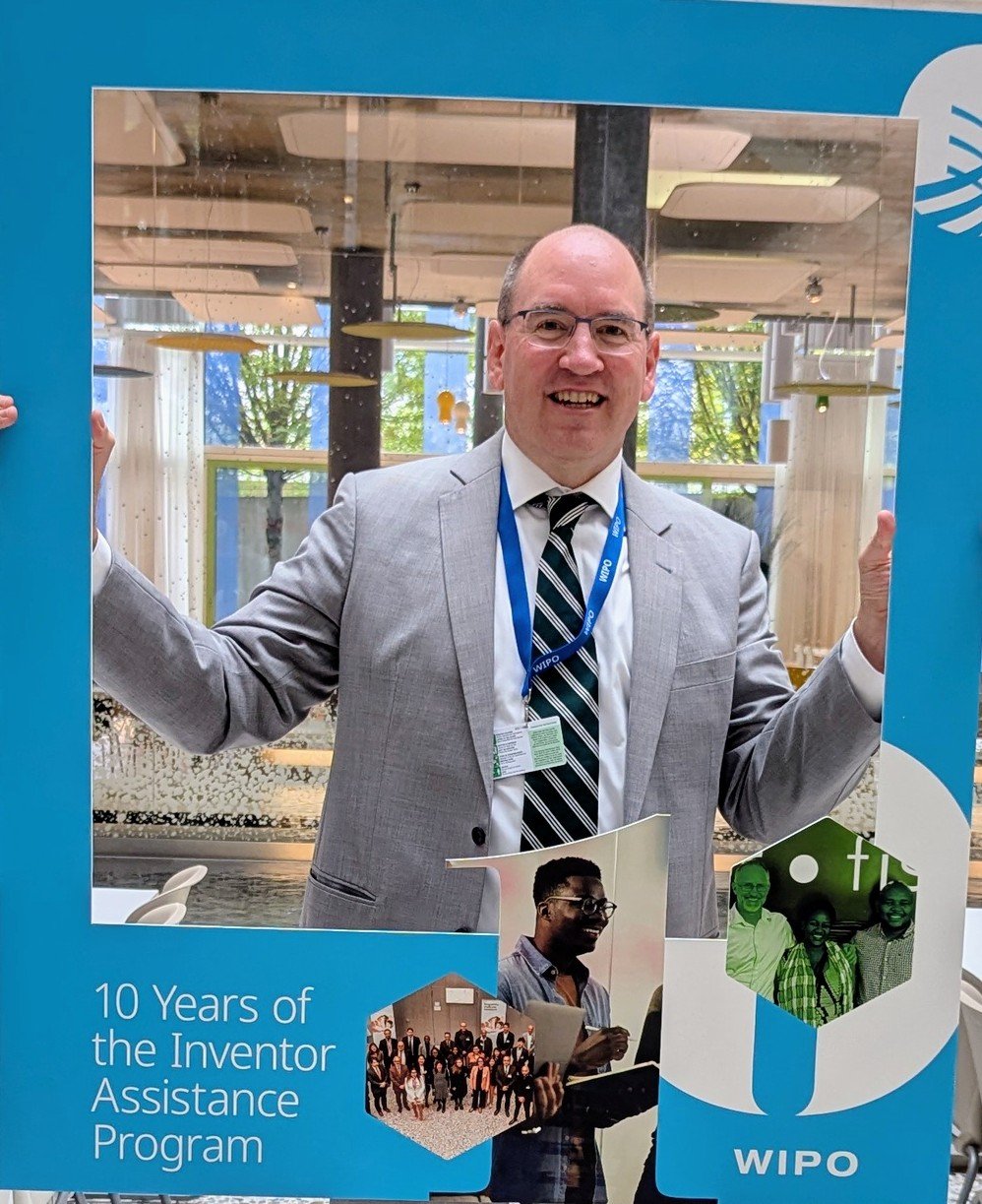
Enjoying my time with such an inspring group of inventors and volunteers.
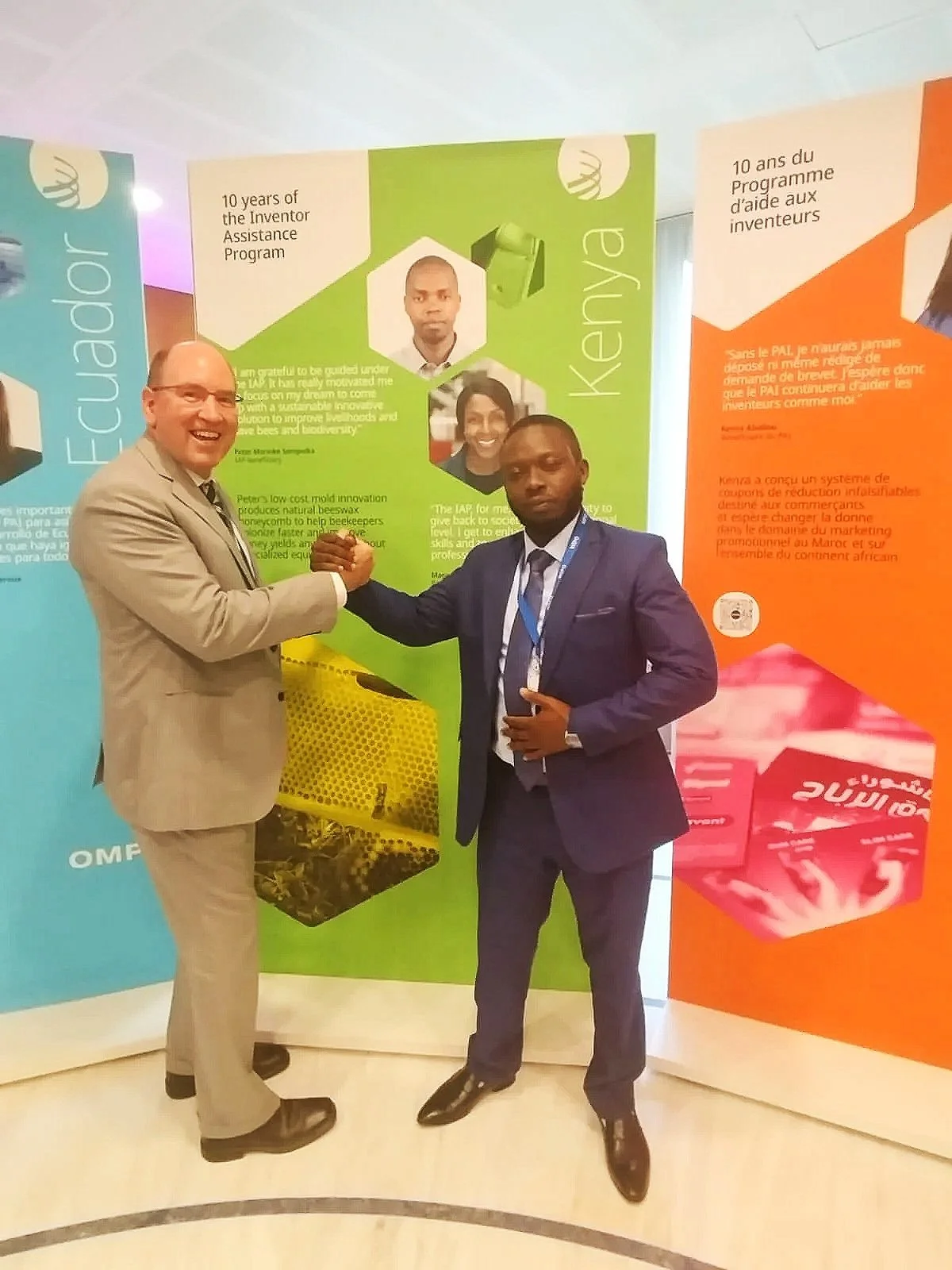
With volunteer Kenyan Attorney Marvel Oloo (Concilia Were photo)
